A cultural day out can be structured without being packed. Choose one anchor activity, then add a nearby walk, market or quiet break. This gives the family a clear focus while leaving room to adjust for energy, queues and weather.
Choose the right cultural focus
Museums vary in scale, layout and family facilities. Before leaving, check the institution’s official information for current opening arrangements, access rules, bag restrictions, visitor guidance and any booking requirements. Look for the parts of the collection that match the group’s interests. A shorter visit with one shared focus is often easier than trying to cover every gallery.
Castles and heritage sites may combine indoor rooms with courtyards, gardens or steep approaches. Check steps, slopes, surfaces and accessible routes. Historic buildings can have physical limits that are not obvious from photographs. If someone in the group has access needs, contact the site directly for current, specific information.
Historic centres and cultural districts
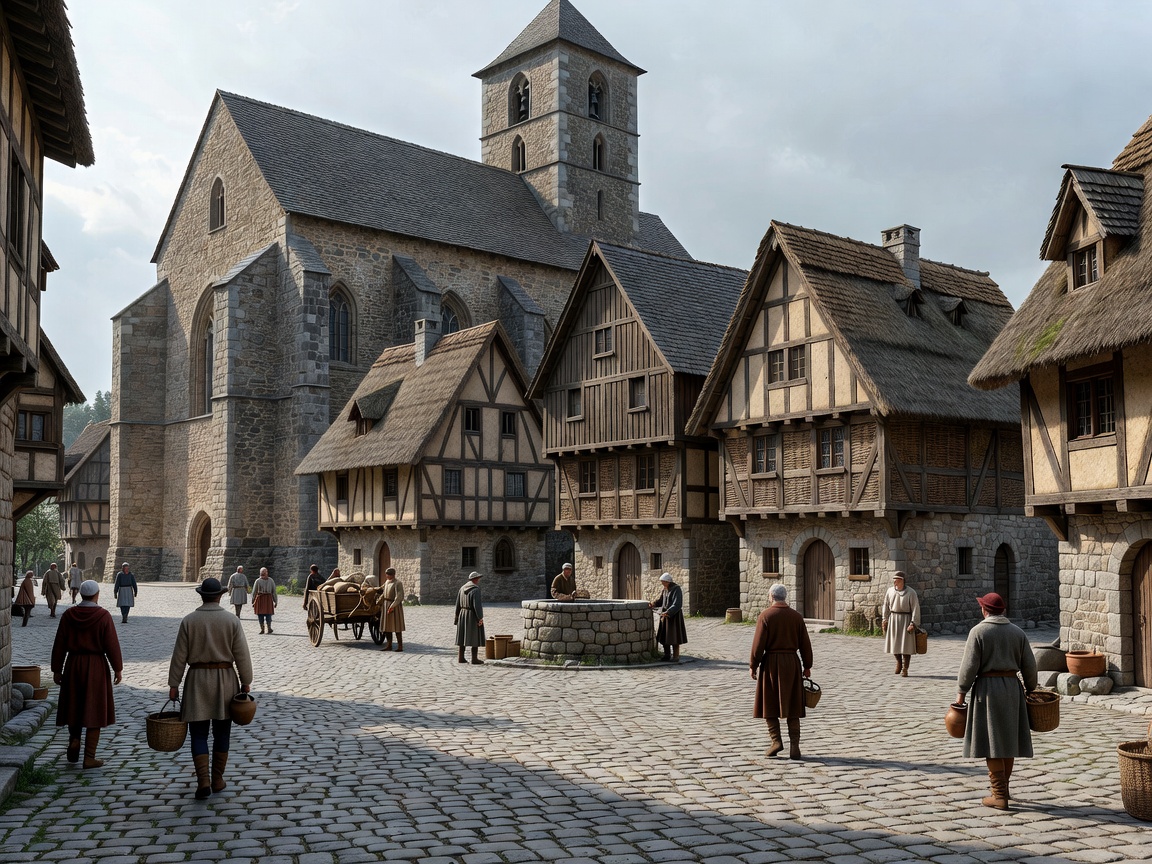
A historic centre can provide architecture, local streets and several short stops within one area. Check pedestrian access, hills, cobbles, traffic restrictions and places to rest. Markets and craft districts add a practical local focus, but their operating days and layouts can vary. Confirm current details from the relevant market or local authority rather than relying on old listings.
Choose a small walking loop with a clear start and finish. Note a sheltered indoor option nearby in case of rain or heat. Give children a simple observation task—patterns, materials or building details—without turning the visit into a long lesson.
Build a family pace
Plan a break before the group is tired. A café or meal stop may be useful, but do not assume a specific venue is open or suitable. Check any essential facilities directly. Carry water and a snack for delays, and agree where to regroup if the party becomes separated in a busy public area.
For younger children, alternate focused indoor time with an outdoor pause. Older children may prefer a self-guided theme or a choice between two sections. Keep luggage light and check cloakroom policies if you need to bring a stroller or bag. Rules differ between venues and can change.
Opening information and visits
Opening hours, ticket arrangements, temporary exhibitions and event schedules are time-sensitive. Check the official site of each museum, castle or heritage destination before departure. Confirm the date, last entry arrangements, booking needs and any closures that affect your plan. This guide does not provide current hours, prices or event listings.
When the main site is closed or busy, have a useful alternative: a public architectural walk, a different cultural district or a nearby park. Check the alternative’s access information too. Do not rely on an unverified event or temporary exhibition to make the day work.
Indoor and outdoor combinations
A balanced plan can combine a museum with a short outdoor loop, or a historic centre with a sheltered indoor stop. Keep the two parts close enough that travel between them does not consume the afternoon. Check walking distance and surface before deciding. In poor weather, reverse the order or shorten the outside section.
Advantages: a clear learning focus, options for different interests and often a workable indoor backup. Trade-offs: fixed opening schedules, queues, access restrictions and the concentration required for indoor visits. One anchor attraction is usually enough for a short family trip.
Good for
- Families who enjoy history, architecture, collections or local crafts.
- Mixed-weather days with a reliable indoor component.
- Trips where cultural stops sit close to transport and one another.
What to know
- Use each destination’s official source to check current hours, access, booking and visitor rules.
- Do not plan around unconfirmed events, prices or temporary exhibitions.
- Limit the itinerary to one main visit and a nearby secondary activity.
For outdoor additions, compare short nature excursions. For timing and backup plans, use practical day trip planning.