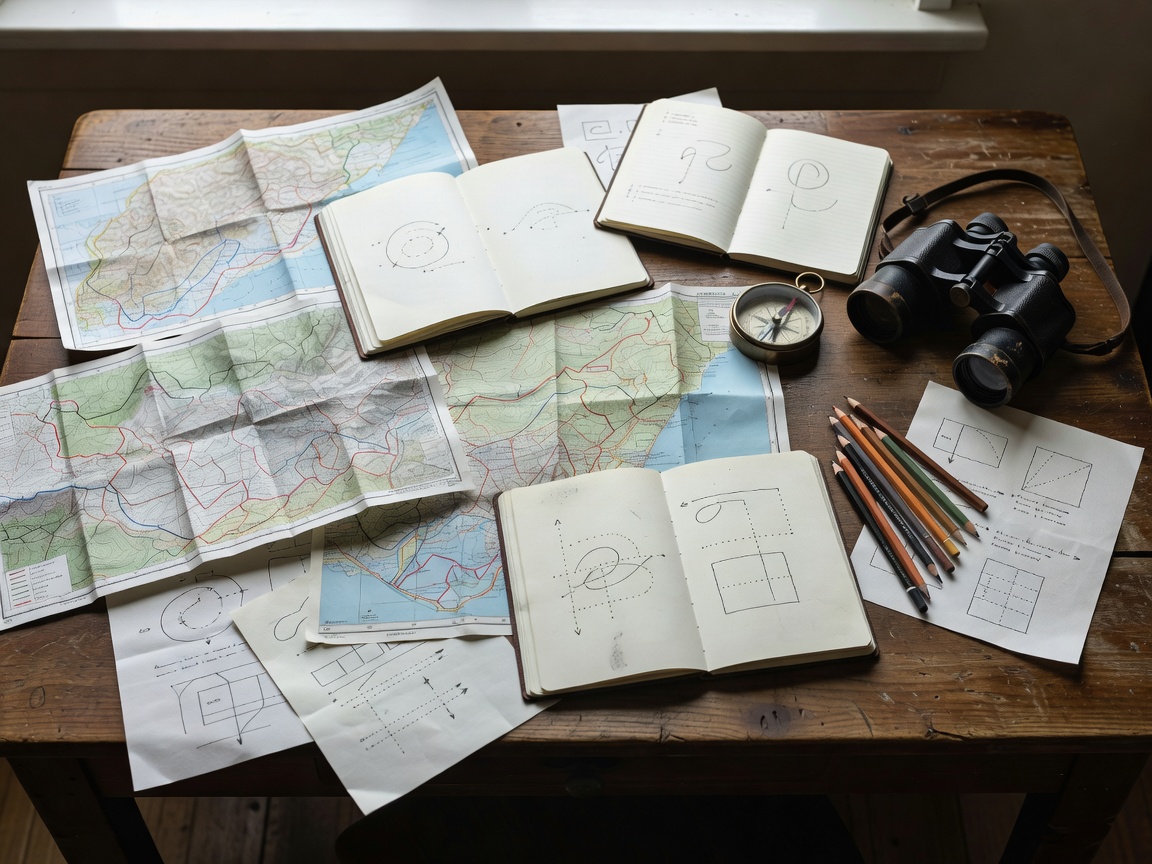
A practical day trip starts with a simple constraint: the group must be able to get there, enjoy the main activity and return without relying on perfect conditions. Plan the journey as a sequence. Include the small transitions that maps often hide.
Calculate door-to-door time
Record the time from home or accommodation to the first departure point. Add the main journey, transfer or waiting time, arrival-to-activity walk and the return stages. Use current official journey information, then leave room for getting lost, finding a lift or moving at a child’s pace. Do not plan from a headline journey duration alone.
Work backwards from the return. Decide when the family needs to leave the destination, then check whether the return service is practical. Avoid plans that depend on catching the final service or making a tight connection. A buffer is useful time, not spare capacity to fill with another attraction.
Transport changes and access
Count every change between transport modes. Check station or stop access, platform connections, lift availability, walking distances and ticket rules. If a connection is essential, review the current timetable and disruption information shortly before departure. Save key details offline where possible.
Think about luggage, pushchairs and mobility equipment at each step. Keep hands free where possible and pack only what the day needs. If a route includes a long walk from the final stop, assess its surface, gradient and shelter. Accessibility information should be confirmed with the transport provider or destination when it matters to the group.
Meals, breaks and child needs
Plan meal timing around the journey rather than assuming the destination will solve it. Carry water and snacks for delays, and check food options directly if the family depends on a specific facility. Consider dietary needs, toilets, quiet breaks and the length of time children can comfortably remain focused.
Build pauses into the itinerary. A short sit-down after arrival can make the next activity easier. Keep the main plan to one priority and one optional stop. When the group is tired, drop the optional stop instead of compressing every remaining stage.
Weather and seasonal changes
Check a reliable forecast close to departure. Consider conditions at the destination and along the route: heat, rain, wind, snow, daylight and surface conditions may differ from the city. Pack layers and choose footwear to match the actual plan. Seasonal services and access can change, so confirm them with the responsible source.
Use the season to adjust the trip’s shape, not to assume a venue or trail is available. Outdoor days need shelter or a shorter alternative. Cultural days need a nearby option if the primary site is unavailable. Check all opening, access and booking information directly before travel.
Budget categories and backup plans
Estimate broad categories rather than relying on stale prices: transport, entry where applicable, food, local transfers and any equipment or access costs. Confirm current prices and payment rules with the official provider. Keep a simple contingency for unexpected local transport or a change of plan. This guide does not provide current fare or ticket information.
Pick a backup destination that uses the same starting point or transport corridor. A nearby park, indoor public space or shorter town visit may be easier than inventing a new route on the spot. Check that the fallback is genuinely available and suitable for the group.
Practical checklist
- Choose one main activity and a realistic return departure.
- Check door-to-door route stages, transfer details and accessibility.
- Confirm current timetables, service alerts and ticket conditions.
- Pack water, snacks, weather layers and essential contact details.
- Check destination access, opening information and facilities.
- Set a backup option and agree when to shorten the day.
Good for
- Families coordinating different ages, access needs or travel modes.
- Trips with transfers, fixed opening times or a long journey home.
- Anyone who wants a clear plan without filling every hour.
What to recheck close to departure
General planning advice does not replace current operational information. Confirm schedules, disruptions, prices, opening hours, weather, closures, access arrangements and local conditions with the official transport operator or destination. Keep emergency contact details available and follow local instructions if plans change.
Choose a route style from family trips by train or family cultural day trips. Questions about what to verify? Contact the guide team.