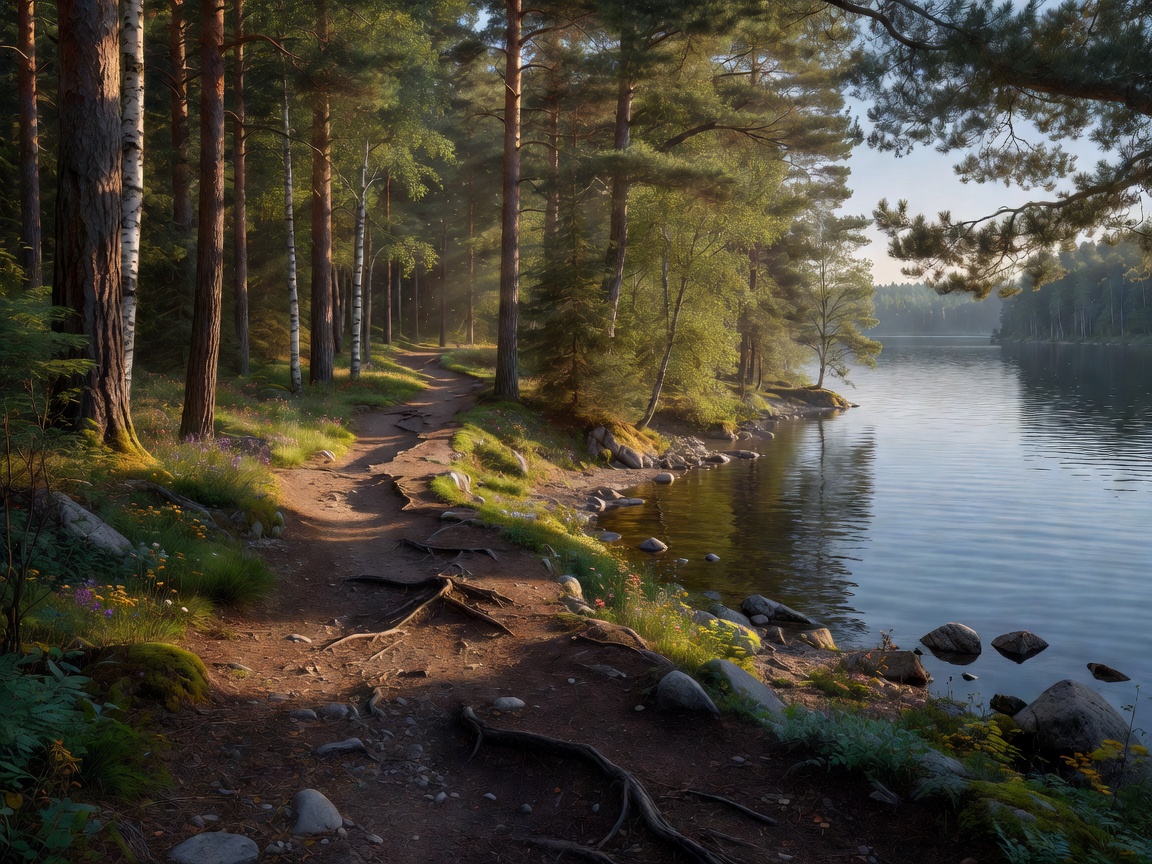
Nature days do not need to be long hikes. A park loop, lakeshore visit, coastal path or viewpoint can provide a clear outdoor focus with limited planning. Select the route by surface, distance, elevation and facilities—not by a label such as “family friendly.” Those descriptions can hide details that matter to your group.
Choose a setting that fits
Urban-edge parks are often the simplest option. They may have multiple exits, nearby transport and a shorter route choice. A lake or coastal area can offer a clear destination, but exposed paths may bring wind, uneven ground or limited shelter. Forest routes can provide shade yet may be muddy, poorly marked or difficult for some strollers.
Viewpoints can be rewarding when access is straightforward. Check how far the viewpoint is from the parking or transport stop, whether the route climbs, and whether there are barriers or exposed edges. Treat the approach as the activity. Do not assume a visible point is easy to reach.
Easy walk or specialist route?
An easy walk generally has a manageable length for your group, a surface they can use, modest elevation and a clear way to turn back. A route that needs navigation skills, scrambling, specialist footwear, technical equipment or substantial endurance is not a casual family stroll. Check route descriptions from the land manager or another authoritative local source. Conditions can change after rain, storms, erosion or maintenance.
Look at accessibility information carefully. “Accessible” can refer to only part of a route. Confirm gradients, steps, surface width, gates, resting places and accessible facilities with the responsible site where necessary. Match the plan to each traveller’s needs and choose a shorter alternative if there is uncertainty.
Weather and clothing
Check the forecast close to departure and consider the conditions at the destination, not only in the city. Coastal winds, woodland rain and exposed sun can feel different from the urban forecast. Carry layers, rain protection and footwear suited to mud, gravel or paved paths. Avoid routes where severe weather could make exposure, water levels or footing unsafe.
For a hot day, plan shade, water and a shorter route. In colder weather, check daylight and whether services or facilities operate seasonally. If conditions are poor, switch to a park with nearby shelter or an indoor cultural stop rather than pressing on with an unsuitable route.
Facilities and family pace
Check toilets, drinking water, food options, bins and shelter before leaving. Facilities may be limited outside built-up areas or unavailable at certain times. Bring enough water and food for the planned duration plus a modest delay. Pack waste out where required and follow local access rules.
Give children a simple route goal: a loop, a picnic point or a place to watch the landscape. Use frequent short pauses rather than forcing a long distance. Agree on a turnaround point and keep the return route clear. If younger children tire early, the plan should still work without completing every section.
Build an exit plan
Confirm how to reach the starting point and how to leave if the weather changes or someone becomes tired. Check transport service information and the distance to the nearest practical stop. Some natural areas have limited mobile reception. Save a map offline and tell someone your general plan where appropriate.
Advantages: flexible pacing, open space and activities that can be adapted. Trade-offs: weather exposure, variable surfaces and fewer services. Choose an outing with a short route option and a clear way back to transport.
Good for
- Families who want a low-key outdoor focus.
- Groups able to check terrain and adjust the route length.
- Days when a park or shoreline can be paired with a nearby town.
What to know
- Verify current access, closures and route conditions with the responsible local source.
- Separate easy paths from hikes requiring specialist equipment or advanced ability.
- Pack water, weather layers and a plan for toilets, shelter and return transport.
For a rural destination with outdoor walking, see city-to-countryside day trips. Add a practical buffer with the planning checklist.